Being part of a civil society organisation network can have a tangible impact on the capacity of a small or medium-sized organisation. It provides access to learning opportunities it could not afford on its own, partners with whom to apply for larger funding opportunities, and a platform for dialogue it would struggle to secure independently. But a network can also deliver little value while consuming hours that could have been better spent elsewhere.
This article explores the difference between the two and offers criteria for assessing the value of membership before making a commitment.
What Is a Civil Society Organisation Network?
A civil society organisation network is a collaborative structure in which organisations working in a shared field decide to coordinate their efforts on an ongoing basis rather than meeting only on an ad hoc basis.
A network should not be confused with a coalition or a federation. It tends to be more diverse and more focused on mutual capacity-building than on representation. Rather than speaking on behalf of its members, a network’s real value lies in what its members contribute to one another: methodologies, contacts, lessons learned and partnerships.
International social organisation networks add another dimension. A problem faced by an organisation in Tijuana may have already been partially or fully solved in Kenya, Brazil or the Philippines.
Tangible Benefits: Learning, Partnerships and Visibility
The benefits of joining a network are often described in abstract terms. However, three benefits consistently translate into tangible results.
Practical learning. The social sector invests relatively little in its own training because resources are — rightly — directed towards delivering programmes. A well-designed network turns this expense into a shared resource, offering training in fundraising, impact measurement, governance and communications that no medium-sized organisation could afford to fund independently. At BeDoCare, this role is clearly defined and built around capacity-building, networking and knowledge generation.
Partnerships that expand the opportunities you can apply for. Much international funding requires consortia, a presence in several countries or a scale that a single organisation cannot achieve alone. Membership of a network does not guarantee funding, but it gives an organisation a seat at the table where these consortia are formed. This is one of the least visible benefits when joining and one of the most valuable after two or three years.
Visibility with context. Being listed in a recognised network’s directory serves as a third-party endorsement for donors and potential partners. It becomes more valuable when the network also produces content, organises events and publishes materials in which member organisations can be featured by name.
There is a fourth benefit that receives little attention but that many executive directors mention first: no longer working in isolation.. Having peers with whom to discuss difficult decisions offers genuine operational value.
Social Organisation Networks: What Sets an Active Network Apart from a Directory?
This is the distinction worth understanding before committing time or paying a membership fee.
A directory is a list. You sign up, your organisation appears, and the relationship ends there. It can provide a basic level of credibility, but it does not generate value on its own. Many initiatives presented as networks are, in practice, little more than directories with a monthly newsletter.
An active network fosters sustained interaction among its members. It can be identified through several fairly objective indicators:
- Events and meetings.
- Content produced in collaboration with members.
- Visible partnerships between organisations.
- Continuity, with multiple editions held over the years.
- Clear membership criteria and a genuine sense of community.
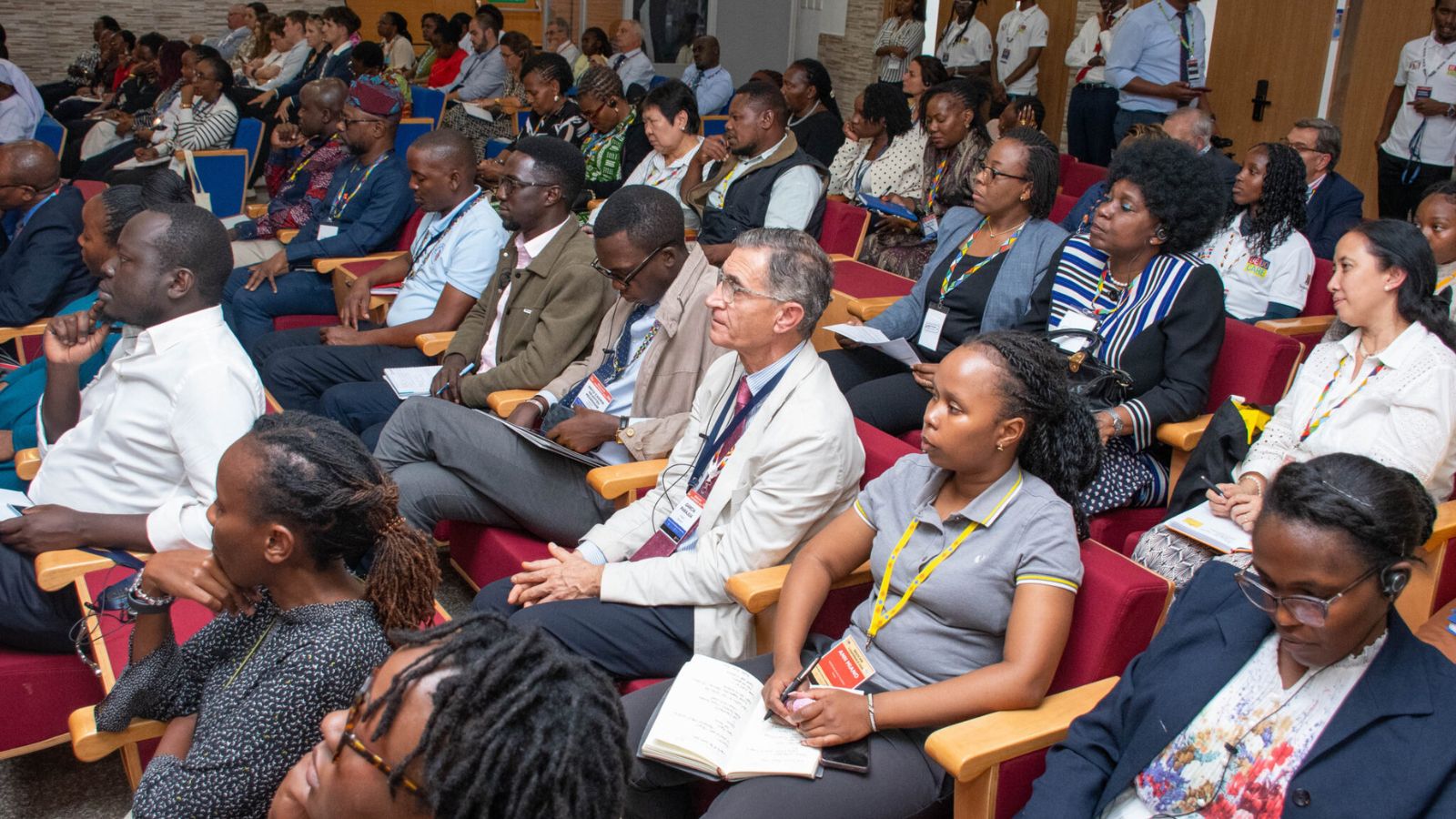
If you could check only one thing before deciding whether to join a network, in-person gatherings are the best indicator. Organising them is expensive and requires genuine institutional commitment. They are also where partnerships take shape. BeDoCare’s international conferences — in Rome, São Paulo, Nairobi and Mexico — follow this approach: each edition brings together organisations from dozens of countries in person over several days.
How to Assess Whether a Network Is Right for Your Organisation
Five questions to ask before deciding.
- Who else is a member? Review the membership list. If you recognise organisations whose work you respect — especially those you would like your own organisation to emulate in three years — that is a good sign. If the list is not publicly available, ask to see it.
- What has happened in the past twelve months? Focus not on what the network promises, but on what it has actually done: events held, publications released and training delivered. A network with no verifiable recent activity is unlikely to become active simply because you join.
- What exactly does it require from you? Membership fees, participation hours, attendance at events and content contributions all come at a cost. If the answer is vague, the real commitment will become apparent later.
- Are your underlying approaches aligned? Networks have their own ways of understanding social development, and not all of them are compatible. Comparing their approach with your organisation’s mission helps prevent tensions that often surface precisely when important decisions need to be made.
- Who on your team will take responsibility for it? This is the most common mistake. A network delivers value in proportion to the level of participation it receives. Without someone explicitly assigned to manage the relationship, membership becomes just another unopened email.
The BeDoCare Model: More Than 150 Organisations in Over 35 Countries
BeDoCare Hub is a global network of NGOsbusinesses and universities committed to integral human development. It brings together more than 150 organisations from over 35 countries, and its approach puts the criteria outlined above into practice in tangible ways.
It is a network, not a directory. Four international conference editions demonstrate this: Rome 2022, São Paulo 2024, Nairobi 2025 and the upcoming Mexico Conference 2026.. Each brings together social organisations, businesses and universities from dozens of countries for several days of in-person collaboration.
It is deliberately diverse. The BeDoCare model facilitates collaboration between social organisations, businesses and universities. These three sectors bring different resources to the table — operational capital, research capacity and strong local roots — and many of the most valuable partnerships emerge from combining them.
It has a clearly defined value proposition. Professional training tailored to the sector, institutional networking and knowledge generation to support decision-making. These are not generic promises, but three areas of work whose results can be assessed.
It is a meeting place, not a representative body. BeDoCare does not speak on behalf of its members. Its role is to bring organisations together so they can learn from one another and build their own partnerships.